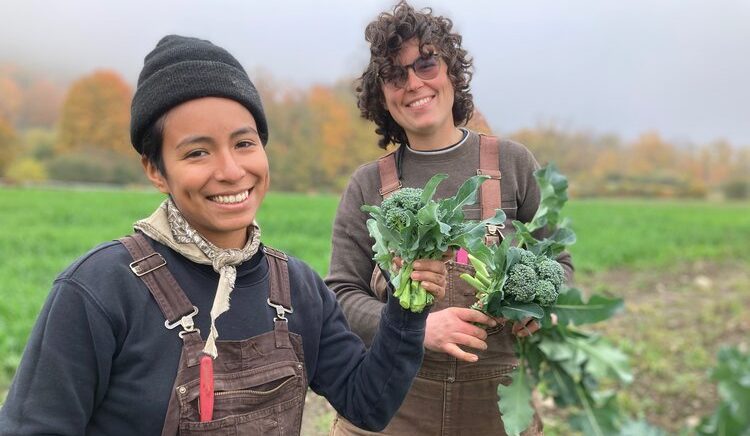
Women play a vital role in European agriculture, yet they continue to face structural barriers to accessing land, funding, resources and decision-making. The SWIFT project has developed a new package of policy recommendations to address these inequalities and support policy makers in their work for a more gender-transformative Common Agricultural Policy (CAP).
The figures highlight a persistent gap: women manage 29% of farms in the EU, most of them small and medium-sized, but only 12% of women farm managers receive income support subsidies. Area-based payments tend to favour larger farms, while women farmers often face additional barriers linked to land ownership, access to finance, unpaid care work and limited representation in agricultural policy spaces.
The SWIFT recommendations call for gender equality to become a clear and measurable objective of the CAP, rather than an optional or marginal consideration. They propose stronger institutional incentives, dedicated gender focal points and budget allocations within CAP implementation bodies, as well as gender-disaggregated data and indicators to monitor who benefits from public support.
A central recommendation is to move away from payment systems that disproportionately benefit larger farms, introducing stronger degressivity and strict caps on CAP payments. The package also calls for reducing farmers’ dependency on subsidies by ensuring fair prices for agricultural products, including prices above production costs and effective public stockholding mechanisms.
The recommendations also highlight the importance of gender-responsive budgeting at both EU and national levels. Gender impact assessments should be carried out throughout the budget cycle, from planning and approval to implementation and monitoring. Where inequalities persist, public spending and allocations should be adjusted accordingly.
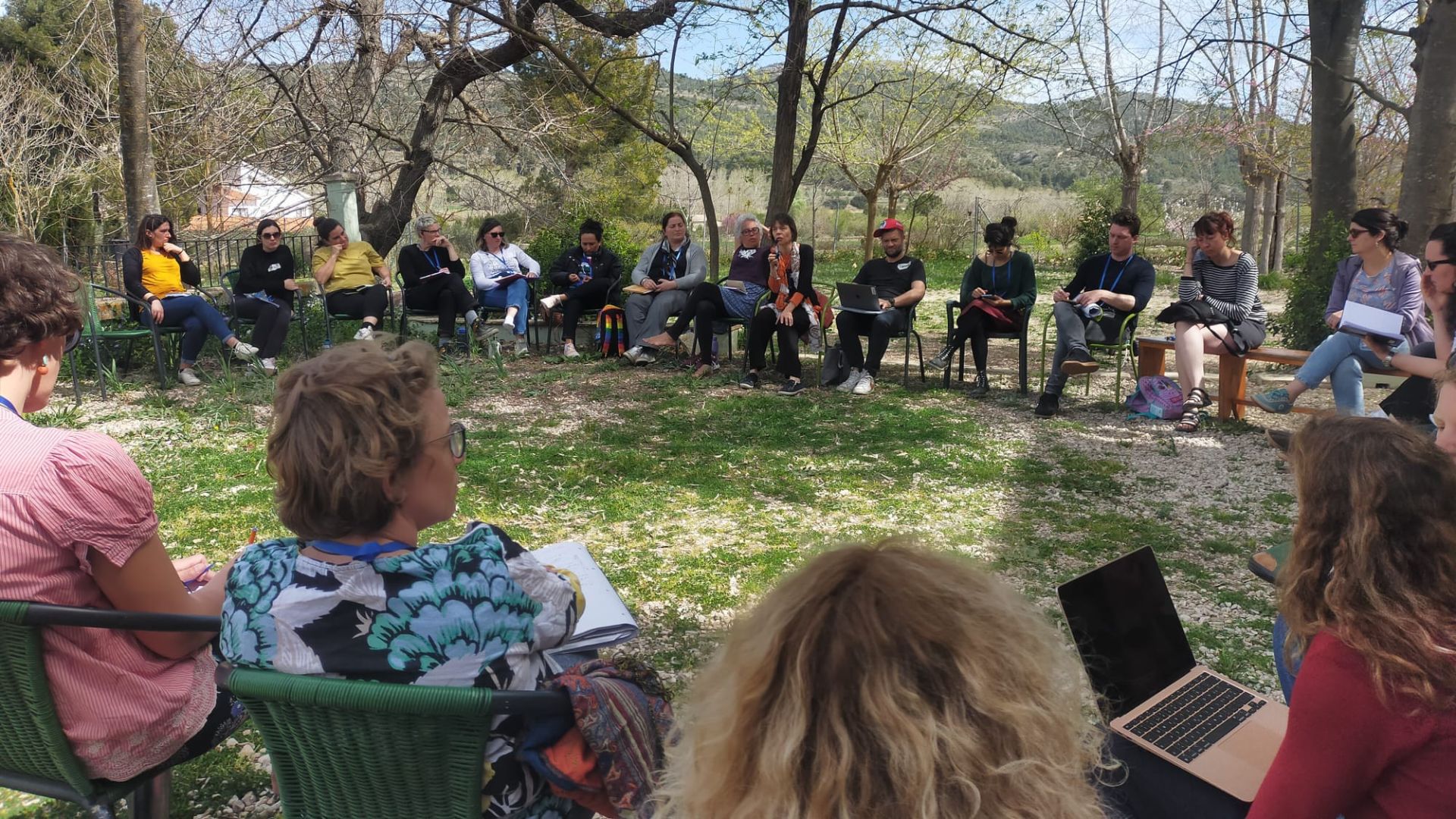
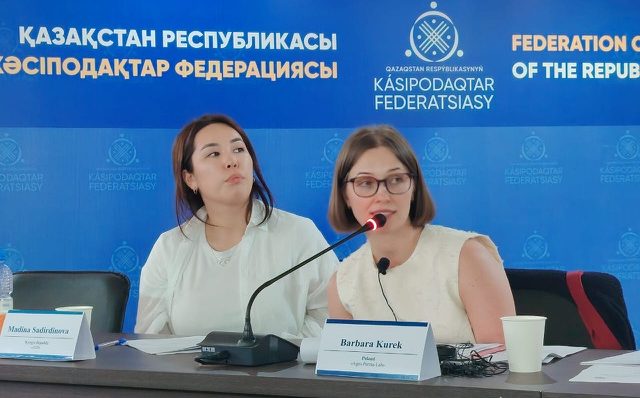
Beyond funding, the SWIFT project stresses that women farmers must be able to participate meaningfully in established agricultural and rural policy-making spaces. Creating additional platforms is not enough if participation requires significant time, travel or financial resources, or excludes farmers through language barriers.
The SWIFT policy package offers concrete tools to make agricultural policies more accountable, inclusive and responsive to the realities of women and gender-diverse people in farming. By addressing the structural causes of inequality, it aims to contribute to a fairer CAP and to more resilient and sustainable agri-food systems across Europe.